







Search Results for: paper cup scorched
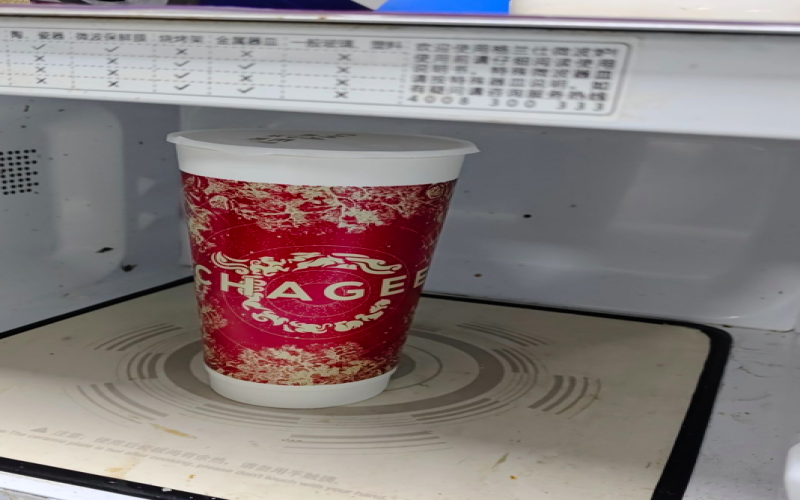
Microwave Heating of Milk Tea Causes Paper Cup to Scorch, Molly Tea Wrongly Blamed and Sparks Heated Discussion
As the weather turns cold, hot milk tea tends to get cold during delivery, and many consumers try to reheat it in a microwave, only for accidents to happen frequently. Recently, multiple customers have reported that when heating Jasmine Naibai drinks, the paper cups showed burn marks and even nearly caused a fire. In contrast, heating milk tea from brands such as Bawang Chaji, Mixue Bingcheng, and Nayuki did not cause similar problems, raising questions about the quality of Jasmine Naibai's paper cups. However, onlookers rushed to defend the brand, pointing out that the cup sticker already has a reminder, and that the metallic substances in the cup's gold-stamped pattern reflect microwaves in the microwave, which is the main cause of the accidents. This article reviews the course of the incident and the underlying principles, and reminds readers: heating milk tea in a microwave poses safety hazards, so do not imitate it rashly. [more…]
Cold Brew Coffee vs. Japanese Iced Pour-Over: A Full Analysis of Extraction Principles, Brewing Parameters, and Flavor Differences
On a scorching summer day, a refreshing glass of iced coffee always brings a unique kind of satisfaction. Cold drip coffee and cold brew coffee, as representatives of low-temperature extraction, are highly favored for their crisp taste and full-bodied flavor; while Japanese-style iced pour-over, made by adding ice to hot coffee, is known for its speed and simplicity. Starting from the practices at Front Street Coffee, this article systematically reviews the historical origins, brewing process, and equipment choices of cold drip coffee, compares the extraction logic and parameter adjustments of adding ice to hot coffee, and shares the flavor performance of medium-light roasted beans in iced coffee, helping coffee enthusiasts find the cup that suits them best in midsummer. [more…]
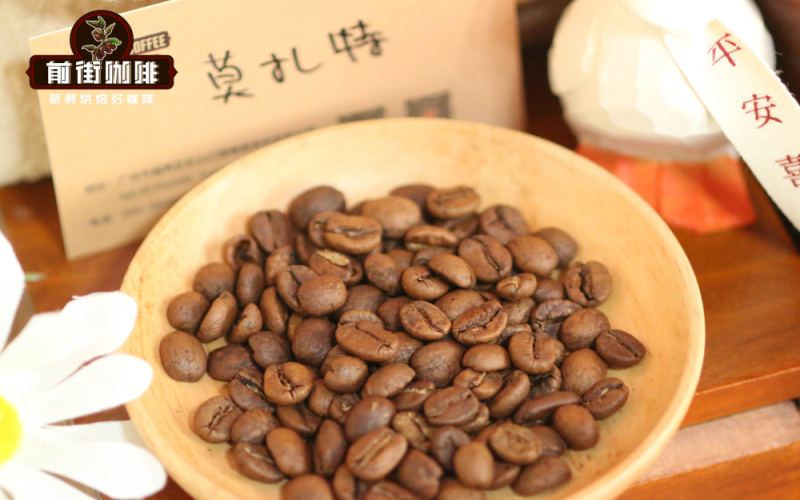
Introduction to Iced Coffee | Are Cold Drip Coffee and Cold Brew Coffee Extraction Principles the Same? What Affordable Specialty Cold Drip Coffee Beans Are Recommended for Beginners?
For more specialty coffee knowledge, please follow: Front Street Coffee (Frontsteet Coffee) In the scorching summer, listen! The cicada on that tree is chirping! The cicada on the other tree is also chirping! In Guangzhou, this damn summer is neither steaming, nor roasting, but boiling with falling water. If only there were a cup of ice-cold [more…]

A Detailed Guide to the Differences Between Ice Drip and Cold Brew Coffee: Ice Drip Coffee Bean Recommendations, Coffee-to-Water Ratio, and Grind Size Guide
In the scorching summer heat, iced coffee becomes a lifesaver for many. But did you know? Cold brew coffee actually encompasses three distinctly different methods: ice drip, iced, and cold brew immersion. Their flavor profiles, brewing principles, and suitable occasions vary greatly. This article will provide an in-depth analysis of the differences between ice drip coffee and cold brew coffee, and detail Front Street Coffee's ice drip brewing parameters—including 60 grams of coffee grounds, a 1:10 coffee-to-water ratio, a grind size with 85% passing through a China standard No. 20 sieve, and an extraction time of 6 to 8 hours. It will also share methods for making iced Americano and cold brew immersion coffee, and recommend several coffee beans suitable for ice drip, including Front Street Mozart, Front Street Kenya Little Tomato, and Front Street PWN Golden Mandheling, to help you find the summer iced coffee solution that best suits your taste. [more…]
Ice Drip, Cold Brew, and Iced Pour-Over: A Full Analysis of the Flavor Differences and Coffee-to-Water Ratios of Three Low-Temperature Coffees
On a scorching summer day, a refreshing glass of iced coffee is undoubtedly a coffee lover's favorite. As representatives of low-temperature extraction, cold drip coffee and cold brew coffee have become stars among summer beverages, thanks to their crisp taste and rich flavor layers. At the same time, rapidly cooling hot pour-over coffee by adding ice is also a convenient option. Taking Front Street Coffee's practice as an example, this article will analyze in detail the historical origins and brewing process of cold drip coffee, compare the differences in extraction principles between cold brew and iced pour-over, and provide specific coffee-to-water ratios, grinding adjustment suggestions, and recommended bean types, helping you find the summer iced coffee solution that best suits your taste. [more…]
How to Control the Time for Ice-Drip Coffee? Flavor Layers of Ice-Drip Brewed with Fresh Coffee Beans and a Comparison with Three Cold Brews
In the heat of midsummer, a glass of ice-cold, crystal-clear coffee is undeniably a great way to cool down. But did you know that cold coffee actually comes in three types: ice drip, iced (iced Americano), and cold brew, each with its own production logic and flavor profile? This article will help you understand the differences between the three, with a focus on ice drip coffee's drip rate, coffee-to-water ratio, and complete brewing process, and share three beans commonly used at Front Street Coffee shops that are suitable for ice drip—Mozart, Kenya Small Tomato, and PWN Golden Mandheling—each presenting a direction of dark berries, crisp and clean, and rich with a sweet finish. Whether you want to recreate it at home or are looking for a new summer flavor, this article offers practical reference. [more…]

Yirgacheffe Cold Drip Coffee | What is the extraction principle of cold brew coffee? How to make cold drip coffee with washed Yirgacheffe?
Still in the scorching summer of Guangdong, everyone is crazy about iced coffee. Even the cold brew coffee at Front Street Coffee's stores has been "swept clean." Many friends ask Front Street Coffee whether they can make cold brew coffee at home and how to do it. Next, Front Street Coffee will have a good chat about how to make a delicious cup of cold brew coffee. What is the principle of cold brew coffee? In understanding [more…]

Caffeine content of Bawang Chaji's new "Qingshan Qigu" drink tested; netizens complain they couldn't sleep all night after drinking it.
CHAGEE recently launched its winter new product "Qingshan Qigu" across its nationwide stores, featuring Wanxi yellow large-leaf tea paired with brown rice buckwheat and milk. The official description highlights its rich aroma of scorched rice and roasted rice. However, after this new product hit the market, consumer feedback has been sharply polarized—aside from disputes over the flavor, a large number of netizens have complained on social media about being unable to sleep all night after drinking it, with the number of insomnia posts even far exceeding taste reviews. According to the brand's published nutritional information, the product contains approximately 24.9mg/100ml of caffeine, which translates to about 144.4mg of caffeine in a large 580ml cup. Is it the caffeine at work or individual differences? This article takes you to find out. [more…]
A Detailed Guide to the Production Process of Ice Drip and Cold Brew Coffee and a Comparison of Cold Brew Coffee Flavor Characteristics
On a hot summer day, a refreshing glass of cold brew coffee is undoubtedly an excellent choice to cool off and quench your thirst. This article will introduce in detail the preparation steps and methods for cold brew coffee, ice drip coffee, and cold steeped coffee, and provide an in-depth analysis of their characteristics and differences. The baristas at Front Street Coffee will share key parameters for ice drip coffee, including equipment components, coffee-to-water ratio, grind size, and extraction time, and will also teach you how to make cold steeped coffee at home using simple containers. In addition, the article will explore the flavor characteristics of cold brew coffee and how to choose suitable coffee beans, including Front Street's recommended Kenya Asalia and Honduras Sherry coffee beans, so you can easily enjoy a professional-grade iced coffee experience at home. [more…]

Cold Brew Coffee Low-Temperature Extraction Principle Explained: Home Brewing Steps and Four Front Street Coffee Fruity Coffee Bean Recommendations
On a scorching summer day, a glass of cold brew coffee always brings a refreshing, fruity experience. Cold brew coffee uses ice water to drip evenly; after 6 to 8 hours of low-temperature extraction and then overnight refrigeration and fermentation, it ultimately presents a unique flavor that is sweet and mellow with only a faint bitterness. Starting from the scientific principles of low-temperature extraction, this article will break down in detail the process of making cold brew coffee, including key steps such as equipment selection, coffee bean pairing, grind size control, drip rate and coffee-to-water ratio settings, and recommend four Front Street Coffee beans suitable for making cold brew—Huakui, Kenya Little Tomato, Xizhao, and Huahudie—to help you make a cup of outstanding fruity cold brew at home. [more…]
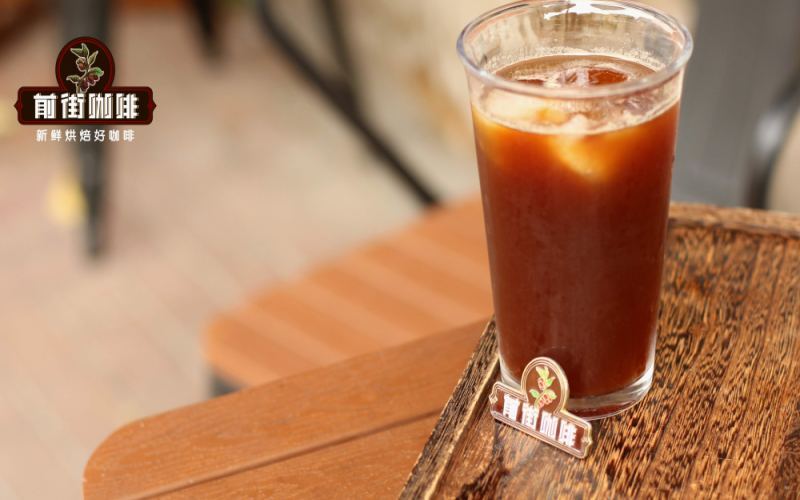
Cold Brew, Ice Drip, Nitro Coffee, and Molten Ice Americano: A Complete Analysis of the Methods and Taste Differences of Four Types of Iced Coffee
On a scorching summer day, a glass of iced coffee always perks you up. Besides the familiar iced Americano, cold brew, and iced drip, there is also a "flowing sand" iced Americano derived from the iced Americano, whose creative inspiration comes from nitro cold coffee. This article will compare these types of iced coffee in detail, from the beer-like mouthfeel of nitro coffee, to the dense foam production of the flowing sand iced Americano, and then to the extraction parameters of cold brew and iced drip—Front Street Coffee provides specific methods for all of them. If you want to know how to get a boozy taste without alcohol, or want to recreate a layered iced coffee at home, read on. [more…]

Home-made Cold Brew Coffee: A Complete Guide to Simple Equipment and DIY Methods
On a scorching summer day, a glass of cold brew coffee is a favorite for many coffee lovers. Traditional cold brew towers are not cheap, yet they are often used infrequently, so netizens have started to brainstorm and build all kinds of "DIY cold brew" contraptions using everyday items like filter cups, drip bags, and mineral water bottles. This article rounds up several of the most representative simple home cold brew setups: from stacking filter cups, to converting drip coffee bags, to combining moxibustion racks with plant-watering nozzles—each one showcases the creativity and dedication of coffee enthusiasts. Although these homemade devices are not as precise as professional cold brew towers, they make up for it with low cost, plenty of fun, and the joy of drinking iced coffee you extracted yourself. If you'd also like to try cold brew at home, you might as well take inspiration from these ideas and use the objects around you to start a low-temperature extraction experiment. [more…]

Types of Iced Coffee | What Are the Flavor and Characteristic Differences Between Ice Drip Coffee, Cold Brew Coffee, and Cold Brewed Coffee? How Can Coffee Beginners Make Ice Drip and Cold Brew?
It's May, and summer has arrived. In the scorching heat of Guangzhou, even after rain, it remains so muggy that without a refreshing cold drink, one truly lacks the courage to survive in this furnace-like city. That's why recently, many more friends have been coming to Front Street Coffee (FrontStreet Coffe [more…]
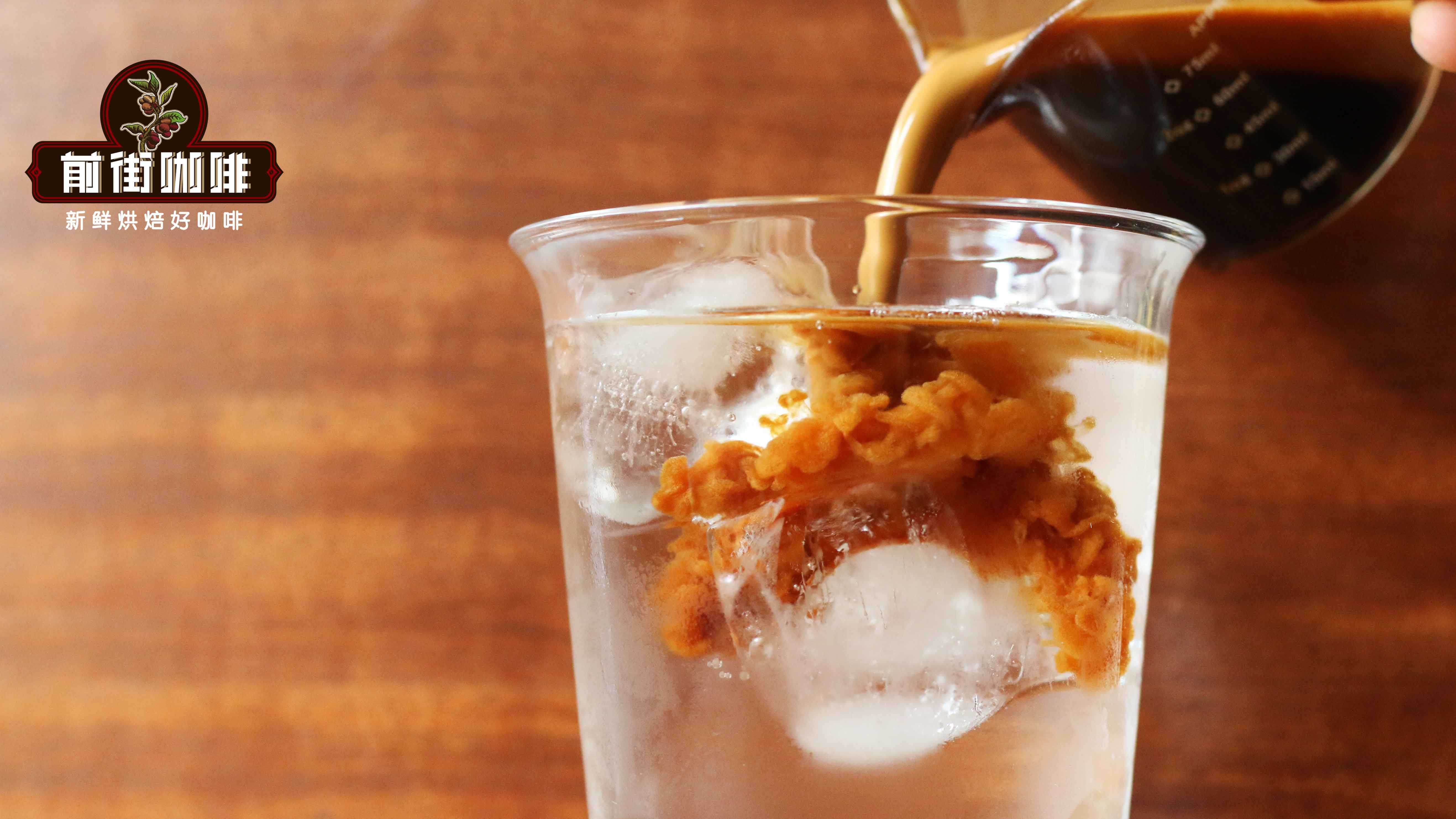
Cold Brew, Ice Drip, Iced Americano, Iced Pour-Over: A Complete Analysis of the Extraction Principles, Brewing Methods, and Flavor Differences of Four Iced Coffees
On a scorching summer day, a glass of iced coffee always brings refreshing delight. But can you tell the essential differences between cold brew, ice drip, iced Americano, and iced pour-over? This article will systematically sort out the characteristics of these four common iced coffees from four dimensions: extraction method, preparation time, difficulty of operation, and flavor and mouthfeel. Whether you are a coffee enthusiast just starting out or a home brewing player hoping to hone your skills, you can find the cup that suits you. The article also includes Front Street Coffee's detailed brewing parameters and flavor descriptions to help you understand more intuitively the unique charm of each iced coffee. [more…]
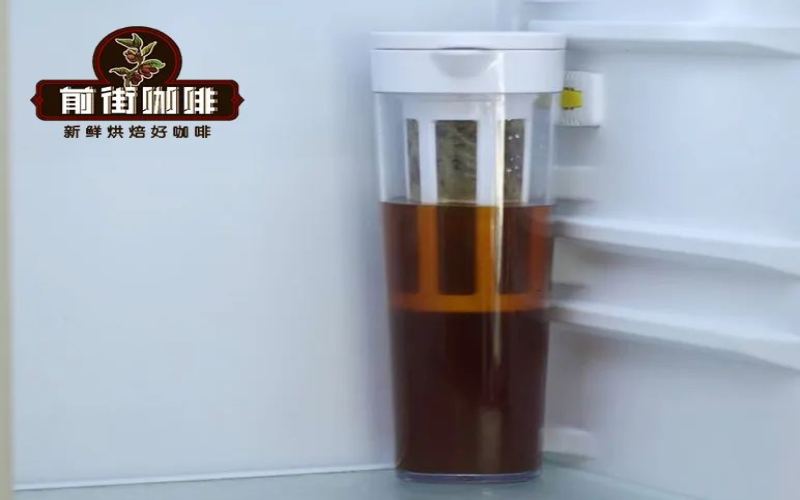
How to Make Cold Brew Coffee? A Full Breakdown of Coffee-to-Water Ratios, Grind Size, and Extraction Time for Cold Brew and Ice Drip
On a scorching summer day, a glass of iced coffee is the top choice for cooling off, and cold brew coffee, with its mellow, sweet taste brought by low-temperature extraction, is deeply loved by coffee enthusiasts. Cold brew actually comes in two types: immersion-style and ice-drip-style, each with its own particular methods of preparation, equipment, coffee-to-water ratio, and extraction time. This article uses Front Street Coffee's hands-on experience as an example to explain in detail the complete process for making immersion cold brew and ice-drip coffee, including the 1:10 ratio of 50 grams of coffee to 500 grams of water, grind size selection, refrigeration time control, and the six-step operation method for ice-drip coffee. It also recommends the Kenya Asalia coffee beans suitable for making cold brew and analyzes the bright acidity brought by its K72 washed processing method and SL28 and SL34 varieties. [more…]
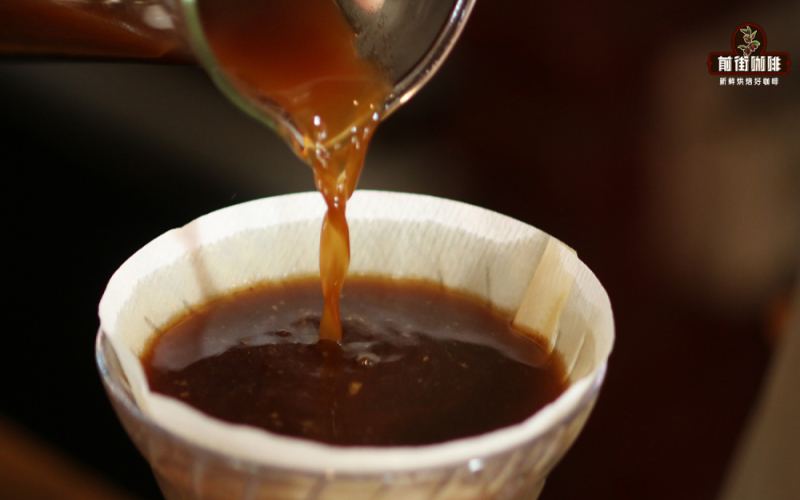
An Analysis of the Advantages of Cold Brew Coffee: A Comparison of the Production Differences and Flavor Performance Between Cold Brew and Ice Drip
On a scorching summer day, a refreshing glass of cold brew coffee is undoubtedly a coffee lover's favorite. But did you know? Cold brew actually comes in two distinctly different styles: the cold water immersion method and the ice drip method. Compared with iced coffee made through high-temperature hot water extraction, low-temperature extraction produces a milder, sweeter taste that is less prone to excessive acidity or astringency. Front Street Coffee typically uses the ice drip method for cold brew in its store offerings, while the cold water immersion method is better suited for making at home. This article will break down in detail the brewing parameters, grind size selection, coffee-to-water ratio, and the effect of extraction time on flavor for both cold brew methods, and recommend the Kenya Asaliya coffee beans suitable for summer drinking, taking you through a comprehensive understanding of the unique charm of cold brew coffee. [more…]
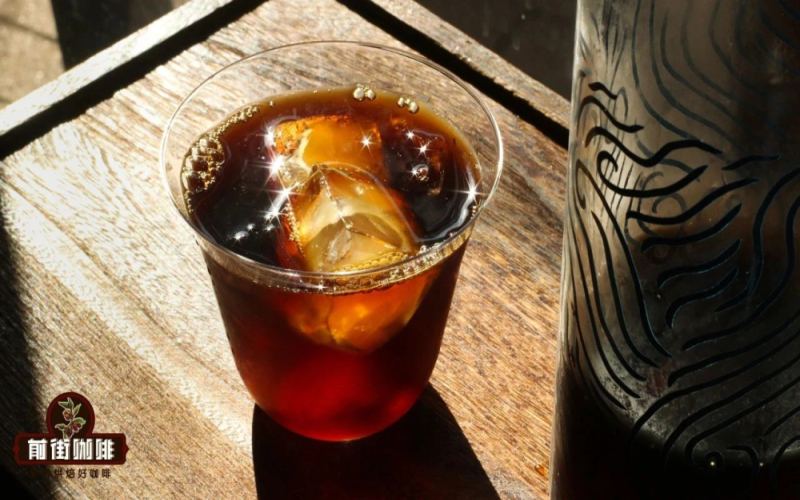
The Complete Guide to Summer Iced Coffee: Methods and Flavor Analysis of Iced Americano, Ice Drip, Cold Brew, and Iced Pour-Over
On a hot summer day, the cool refreshment and satisfaction of a glass of iced coffee are irreplaceable, but the iced coffee family has many members—iced pour-over, iced drip, cold brew, and iced americano each have their own merits. In this article, Front Street Coffee takes you through the brewing principles and recipes of these four iced coffees one by one, from coffee-to-water ratio, grind size, to extraction time and flavor performance, clearly comparing the differences between them. Whether you prefer a clean and refreshing fruity acidity or a rich and balanced dark cocoa flavor, you can find the cup that suits you. The article also includes Front Street's specific brewing parameters and bean recommendations, making it easy to replicate at home. [more…]
Indonesian Mandheling Dark Roast Pour-Over Techniques: Golden Mandheling Brewing Parameters and Flavor Enhancement Methods
Mandheling coffee is known for its rich, full-bodied flavor, but its dark roast profile also makes it prone to brewing bitter. This article focuses on Front Street Golden Mandheling, systematically laying out a brewing approach that avoids burnt bitterness and highlights caramel, chocolate, and herbal sweetness—covering everything from getting to know the bean variety, the principles of wet-hulling, to equipment selection, coffee-to-water ratio, grind size, water temperature, and the three-pour technique. It also compares the differences between Front Street's Lindong, Tiger, and Aged Mandheling to help coffee lovers make a choice based on their flavor preferences. [more…]
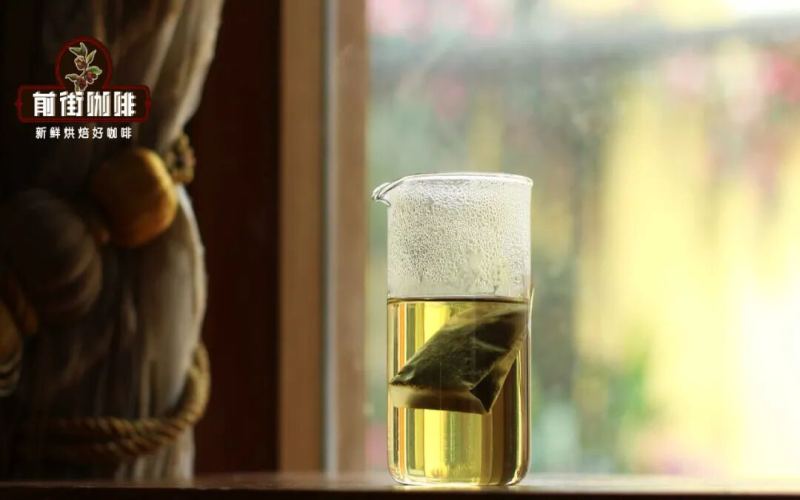
Drip Bag Coffee | Can Tea-Bag Coffee Replace Drip Bag Coffee? Which Brewing Methods Suit Tea-Bag Coffee and Drip Bag Coffee Respectively?
As the scorching summer heat intensifies, people's demand for refreshing, invigorating coffee keeps soaring, and within the coffee community, quite a few "new ideas" have been sparked. For instance, last week a reader sent Front Street Coffee a puzzled question: can coffee be extracted in teabag form, just like tea? Because she felt that with drip bags you have to pour water in stages and carefully control the amount of water, [more…]
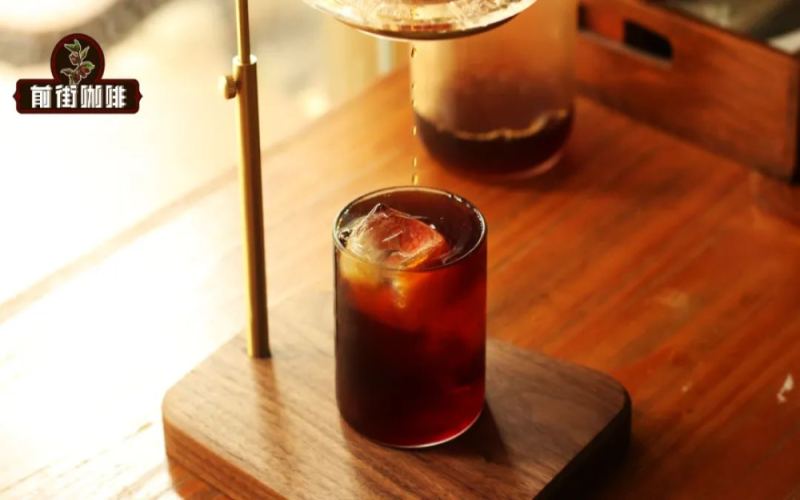
Is Cold Brew Coffee with Milk Good? A Detailed Guide to Cold Brew Coffee-to-Water Ratios and Brewing Tips
On a scorching summer day, iced coffee becomes many people's lifesaving elixir, and cold brew (cold steep) firmly holds the top spot among homemade iced coffees thanks to its simple operation and smooth taste. But many people secretly wonder: can the cold brew they've made be mixed with milk and drunk together? The answer is yes, but if you want the coffee aroma and milky fragrance to both shine, the ratio of grounds, water, and milk must be just right. This article breaks down everything one by one, from bean selection for cold brew, grind coarseness, coffee-to-water ratio, and steeping time, to the golden ratio for adding fresh milk, and also includes a lazy trick for making cold brew with drip bags, so you can easily recreate an iced milk coffee at home that rivals a café's. [more…]